Prototyping

Using a wide range of prototyping tools I can manufacture products in metal, wood and complex polymers. These can be quickly iterated prototypes for future production, or one-off products for sale.

01 // Elementalist Pinball Machine

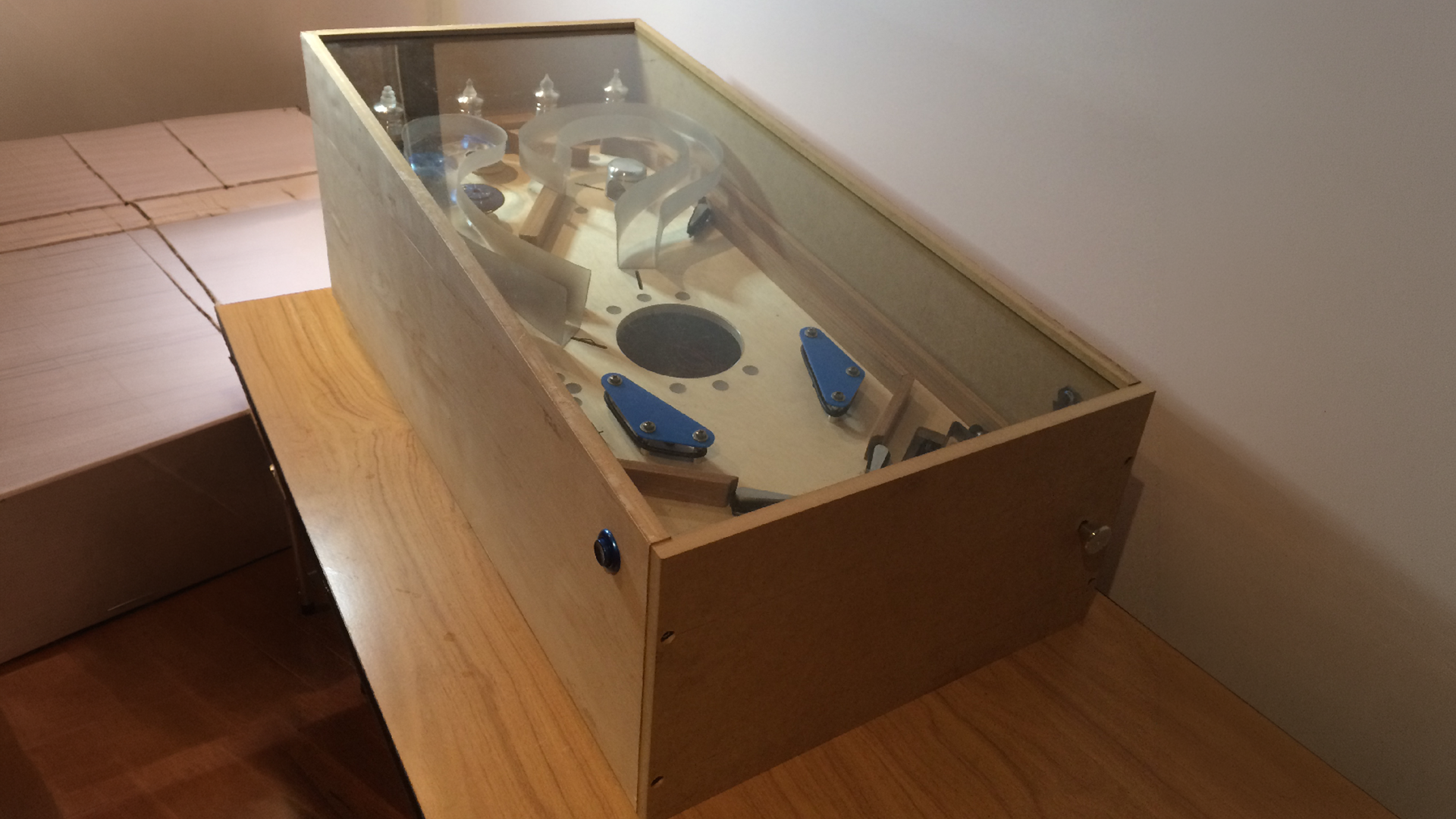
Final Pinball Machine

Final Pinball Machine

A hero shot of the final Pinball Machine prototype, with functioning flippers, bumpers and other moving components

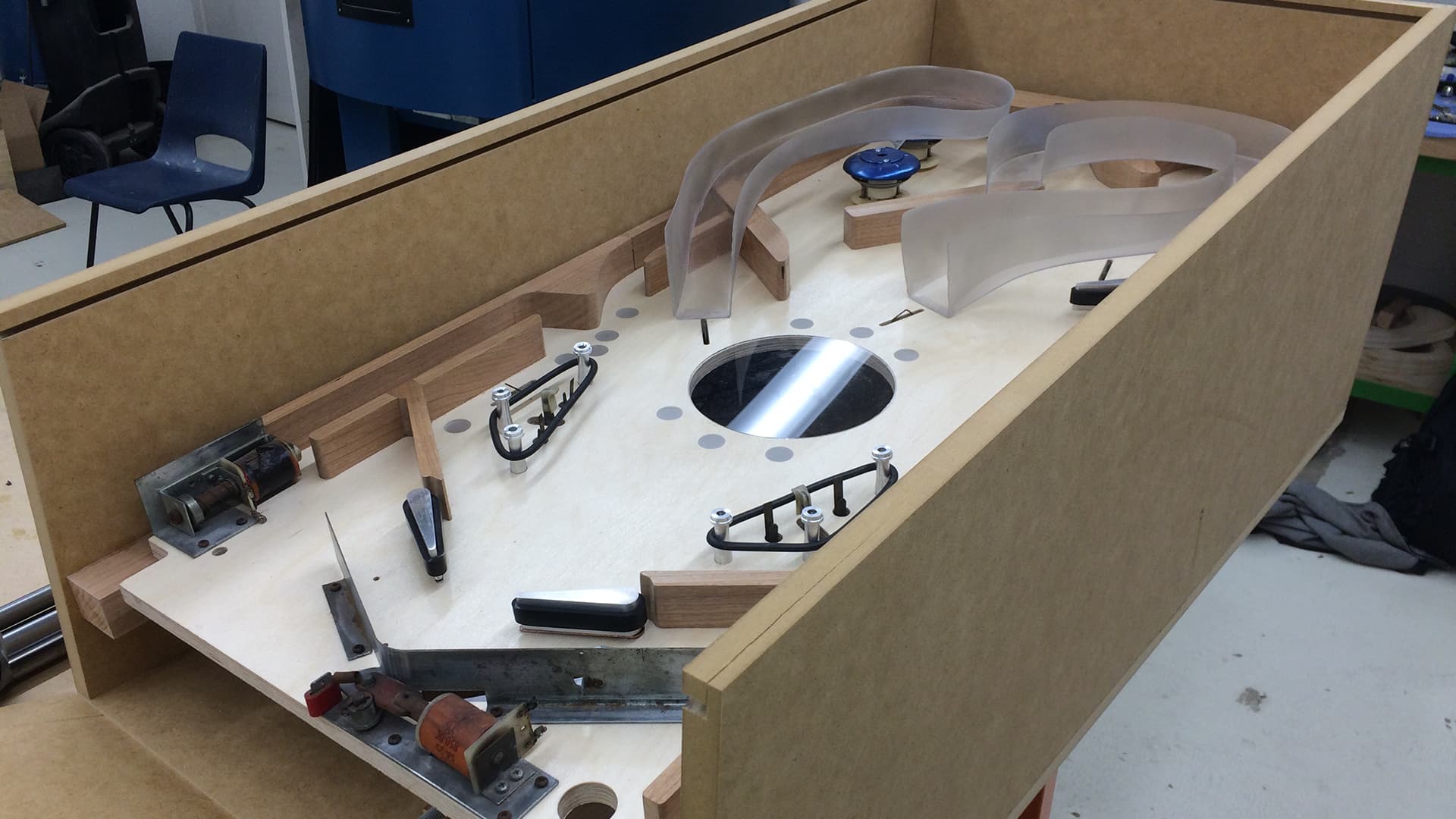
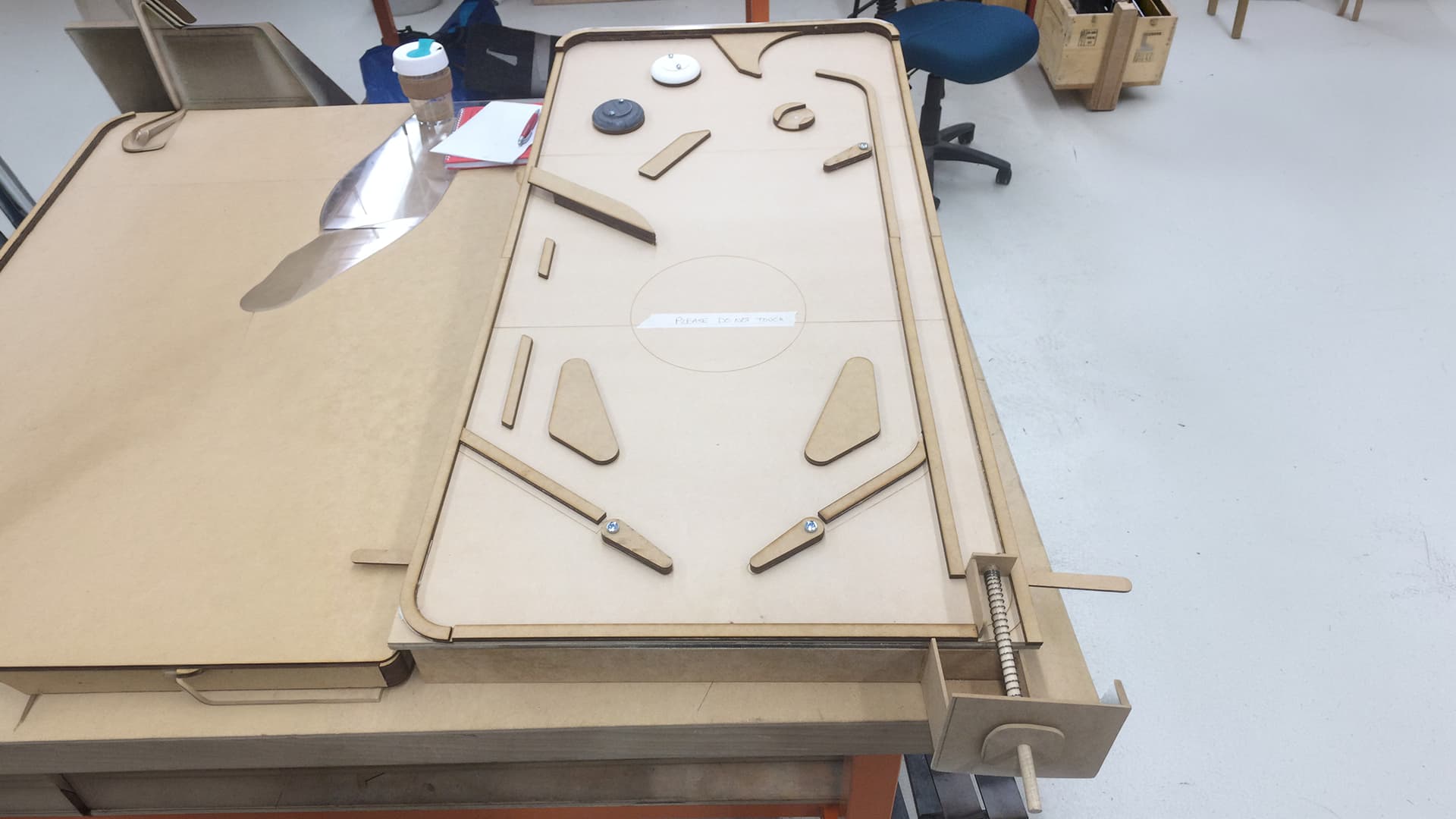
Late Stage Prototype

Late Stage Prototype

The Pinball Machine as it was nearing completion, after this I added the electronics and final components of the case

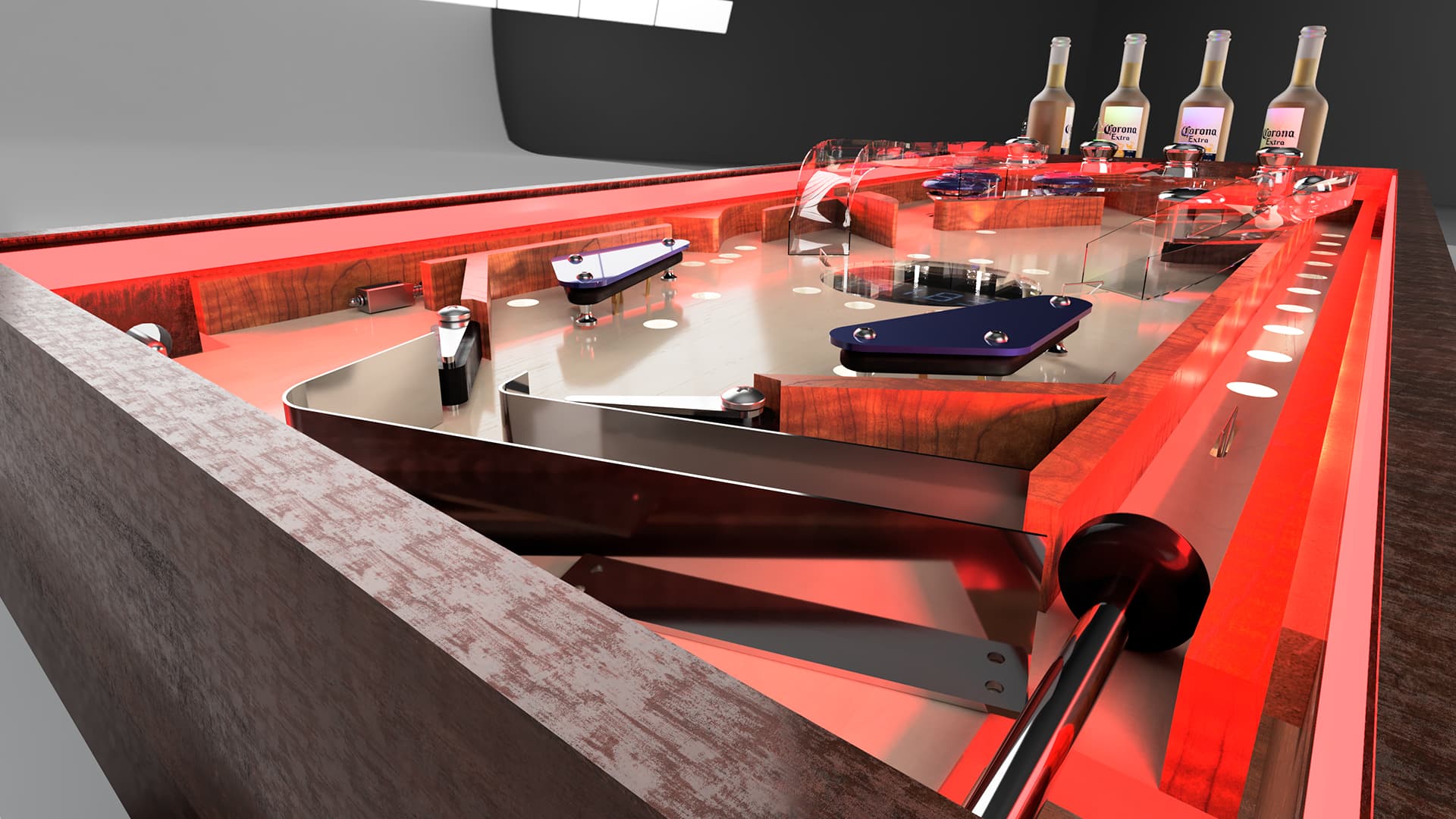
Final CAD Model

Final CAD Model

Used this model to create all the dimensions required for each part of the manufacturing process

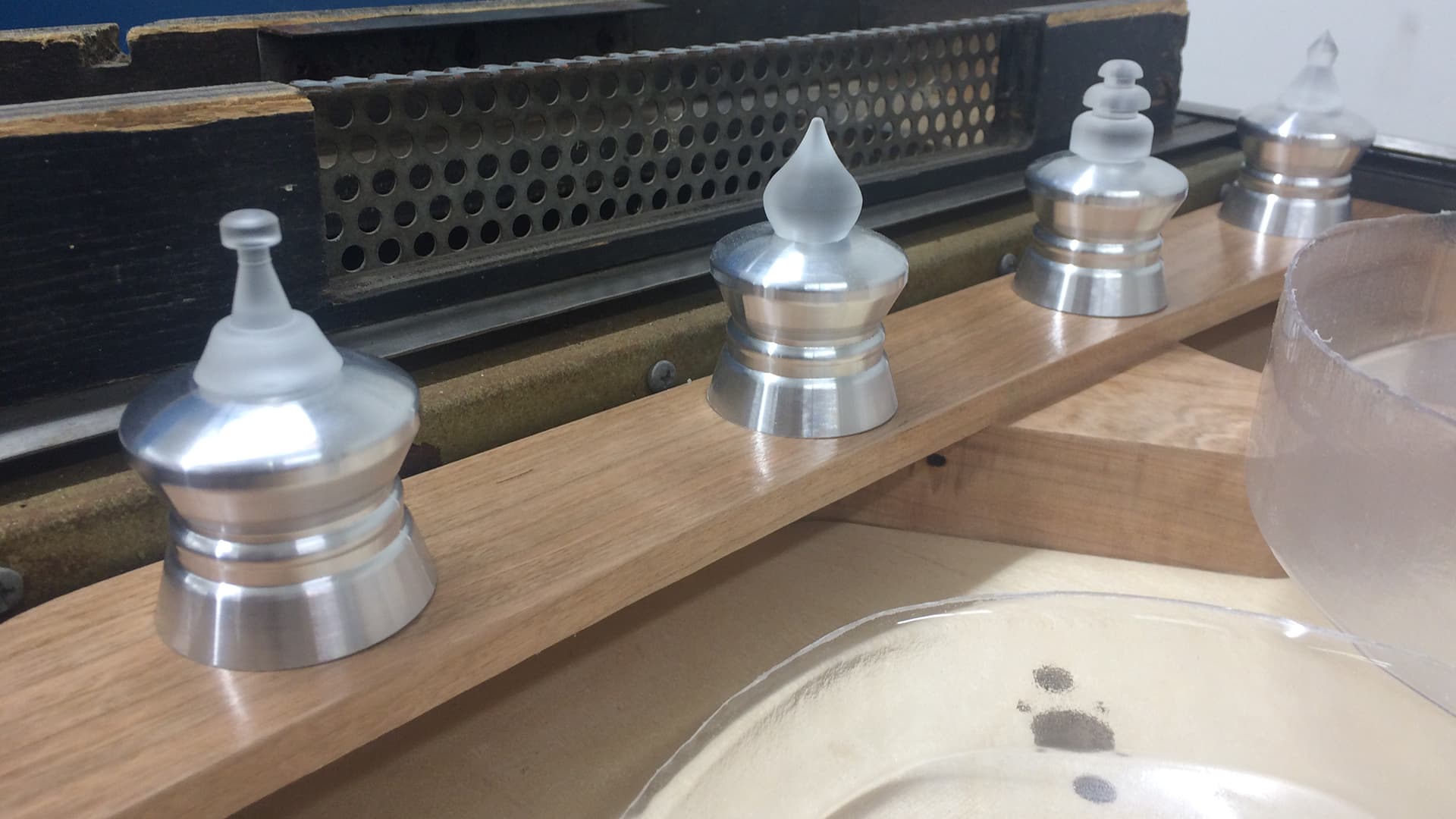
Turned Acrylic Pieces

Turned Acrylic Pieces

A turned acrylic piece for the core aesthetic component of the entire Pinball Machine

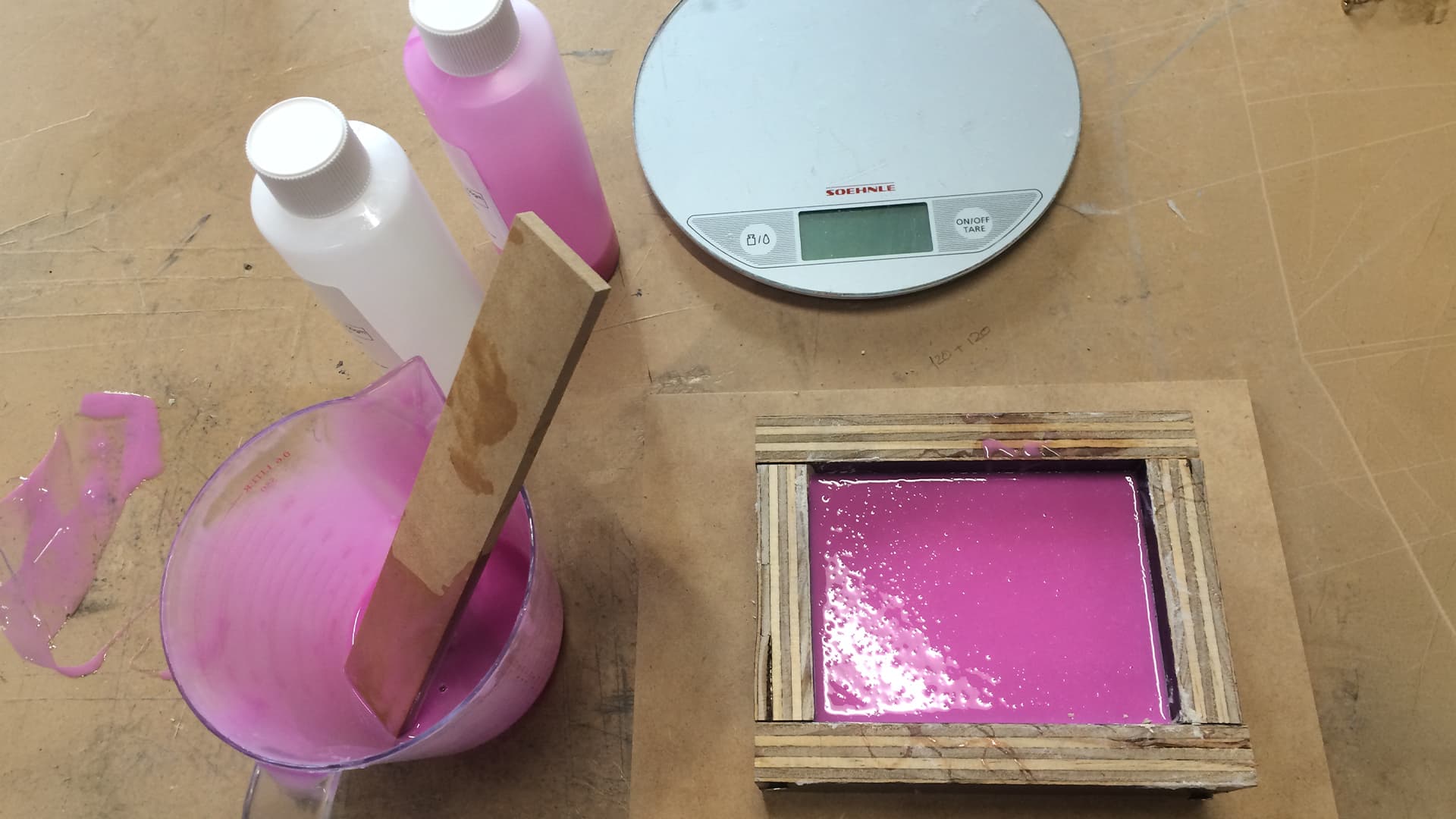
Pinkysil Silicon Mold

Pinkysil Silicon Mold

A simple mold I made to duplicate a single bumper 3D print multiple times in more rigid polymers

Early Prototype

Early Prototype

An early development of the Pinball Machine to test core functionality, before moving on to the full scale

Building my own Pinball Machine

During my 3rd year at RMIT, we were tasked with constructing any product we wanted, as long as it incorporated more than 3 prototyping methods. My lecturer warned me against building a pinball machine, but after 300+ hours I completed The Elementalist, a fully functioning pinball game. I turned metal parts, CNC machined Steel, created polymer moulds for the dumpers, carved wood and soldered electronics for the first time, all within a very short semester.

Building my own Pinball Machine

Core Skills

Metalworking

Using CNC and Lathe machinery to create custom metal parts

Polymer Prototyping

Using Pinkysil moulds to make several copies of bumpers and other small plastic parts

3D Modelling

Designing complex drawings for manufacturing a wide range of parts utilising Autodesk Fusion 360

02 // RGB Phantom Motorcycle

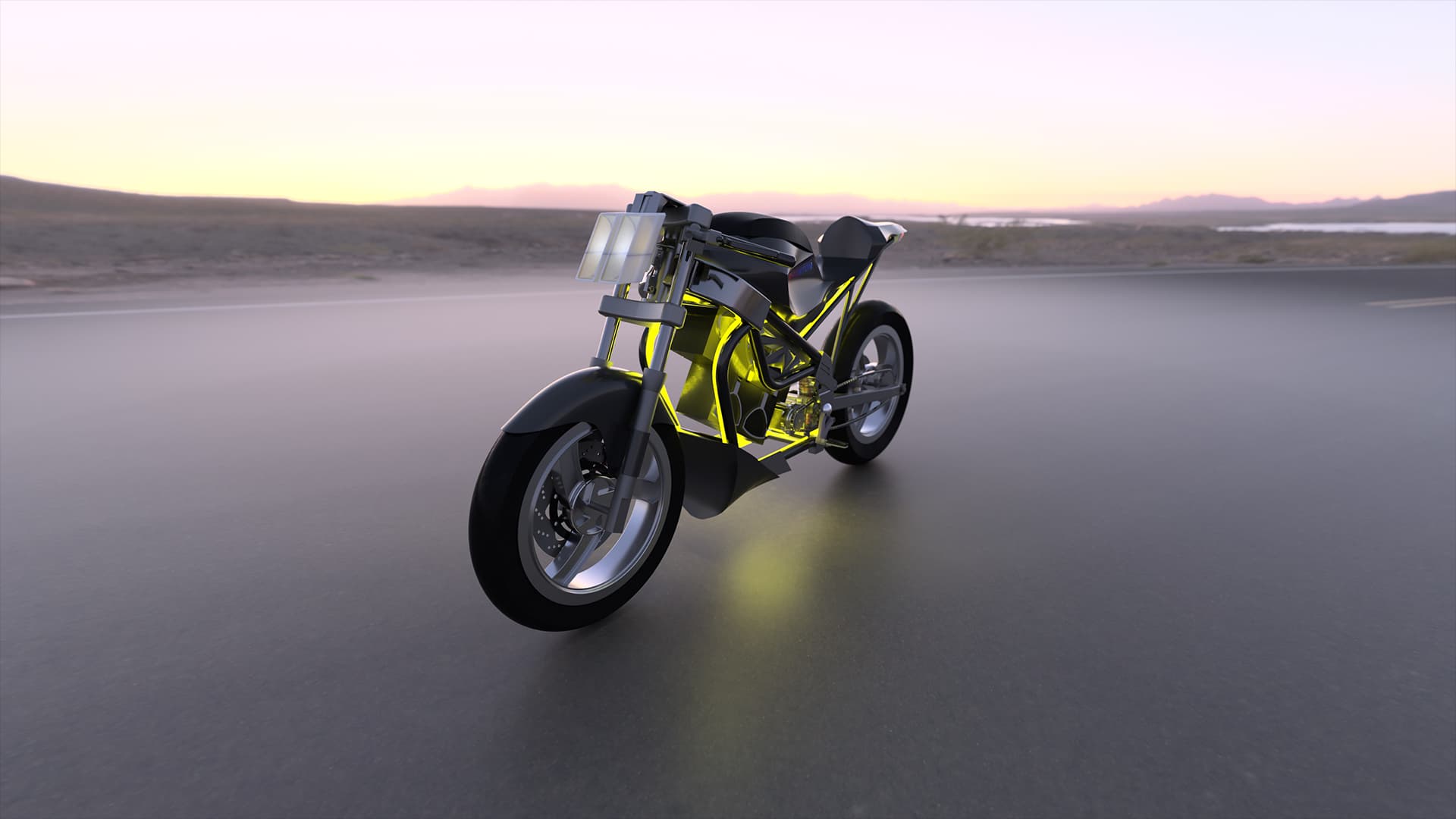
RGB Phantom Road Render

RGB Phantom Road Render

A final stylised render of the Motorcycle before beginning construction, to ensure it fit the brief

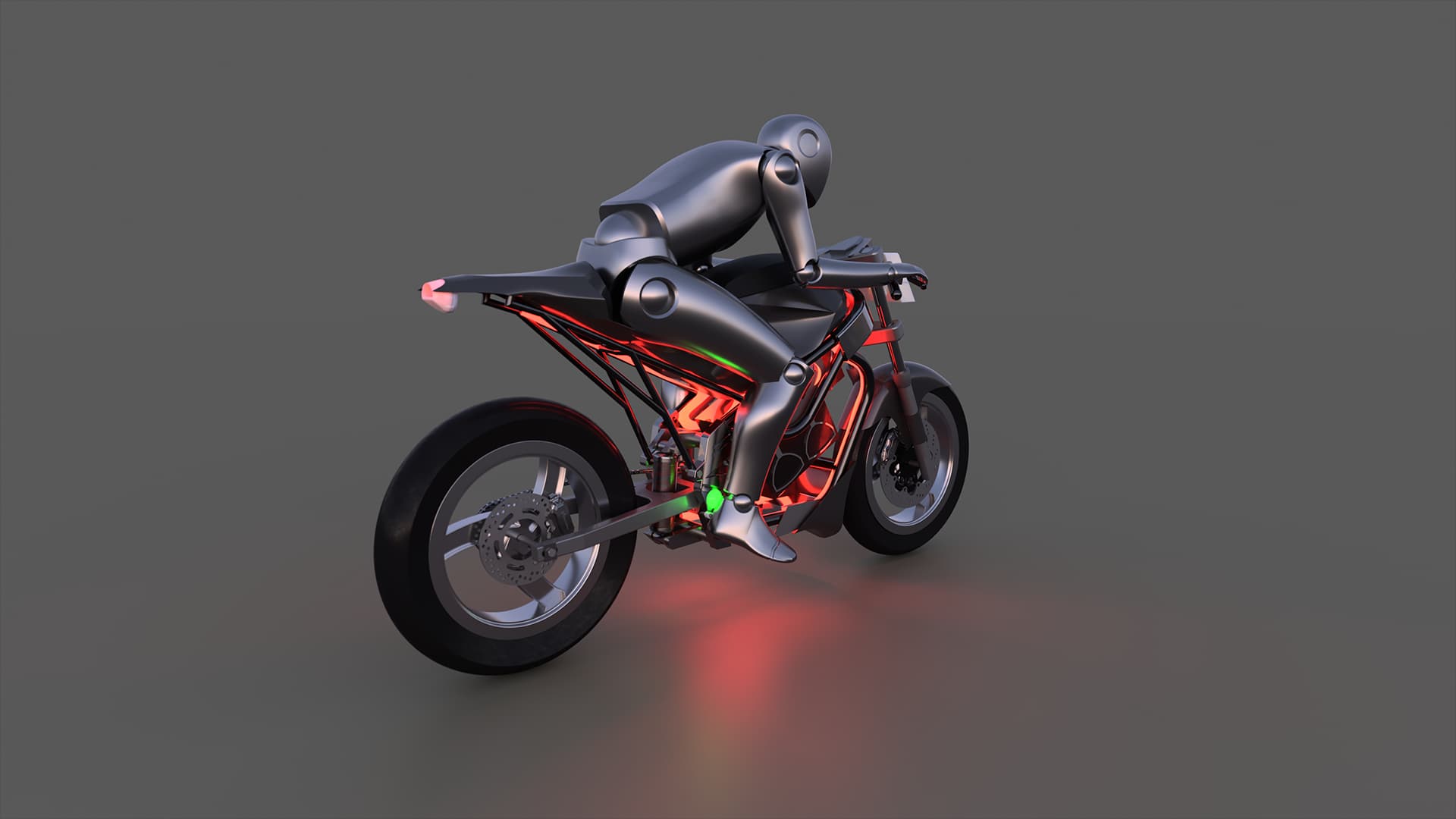
RGB Phantom Studio Render

RGB Phantom Studio Render

Another simple render of the bike showcasing that the rider positioning is accurate for this type of motorcycle

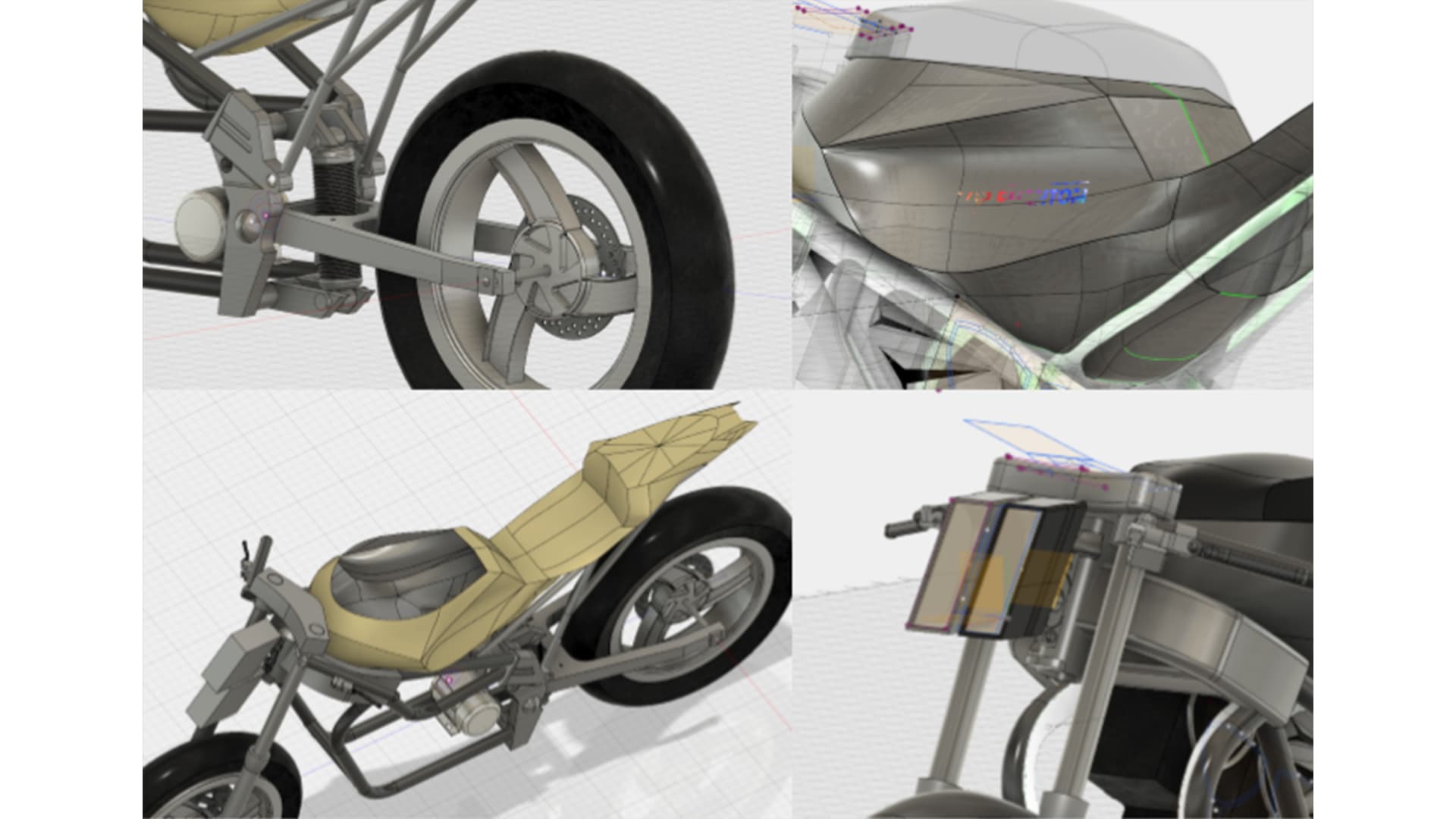
Modelling the Motorcycle

Modelling the Motorcycle

Some developmental stages of the 3D model to give us all the required drawings for prototyping and CNC machining complex parts

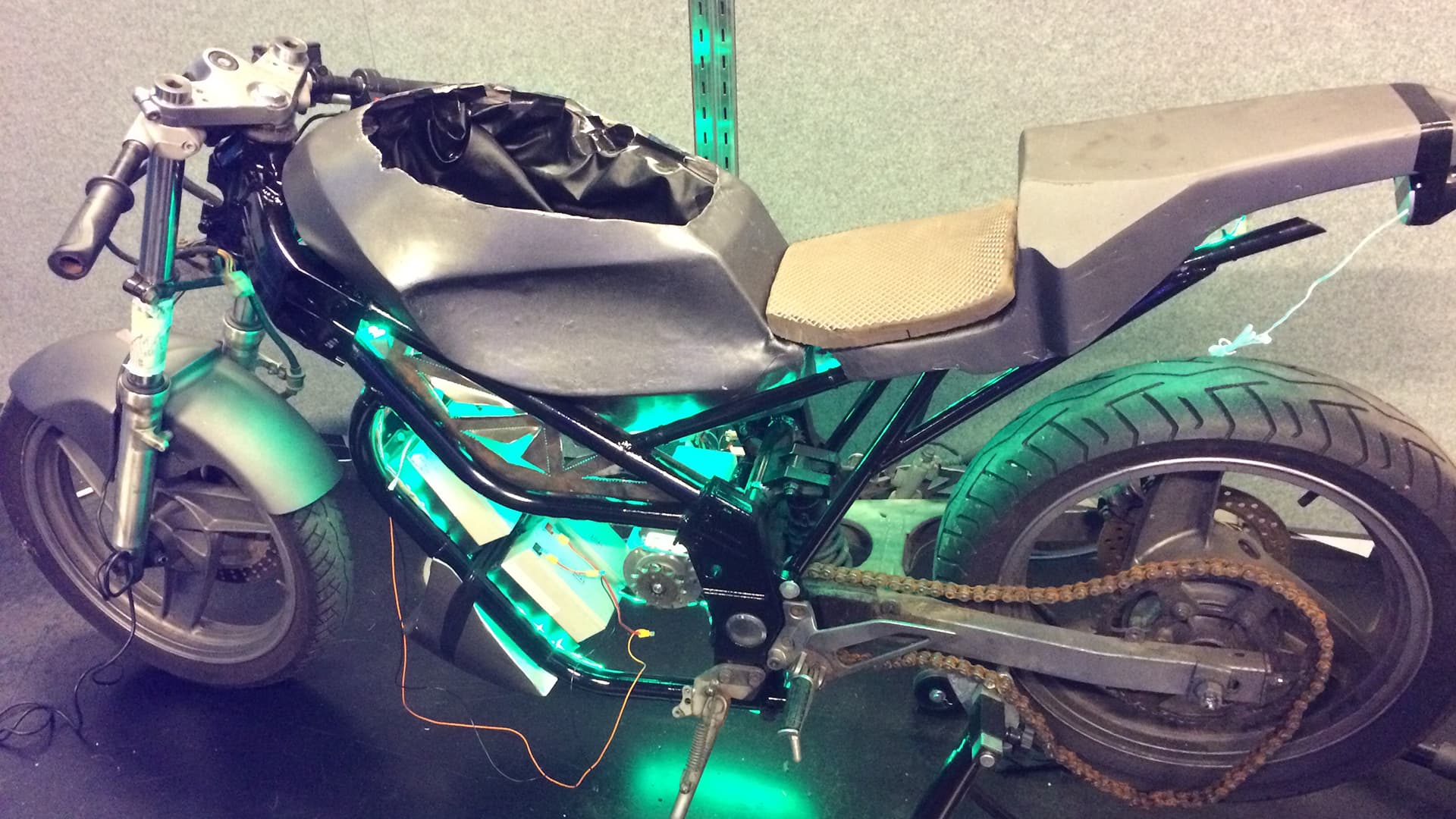
Final RGB Phantom Prototype

Final RGB Phantom Prototype

The final prototype display of the motorcycle, with functioning electronics, lights and accurate rider positioning based on the frames construction

Designing and Prototyping a Motorcycle

In my 2nd year at RMIT, I worked with 3 other students to build a functional Electric Motorcycle. I completed the entire CAD of the project by myself as others were focused on other components, before assisting with the construction of the motorcycle. We welded together the frame, fibreglassed the front fairing and installed several batteries so we could drive it around the University.
Designing and Prototyping a Motorcycle

Core Skills

Teamwork

Working alongside 3 other team members to divide and execute on several large tasks

Composite Fabrication

Applying fibreglass over a foam mould and then finishing the final product into a motorbike fairing

3D Modelling

Designing complex drawings for manufacturing complex parts utilising Autodesk Fusion 360

03 // VR Hyperloop

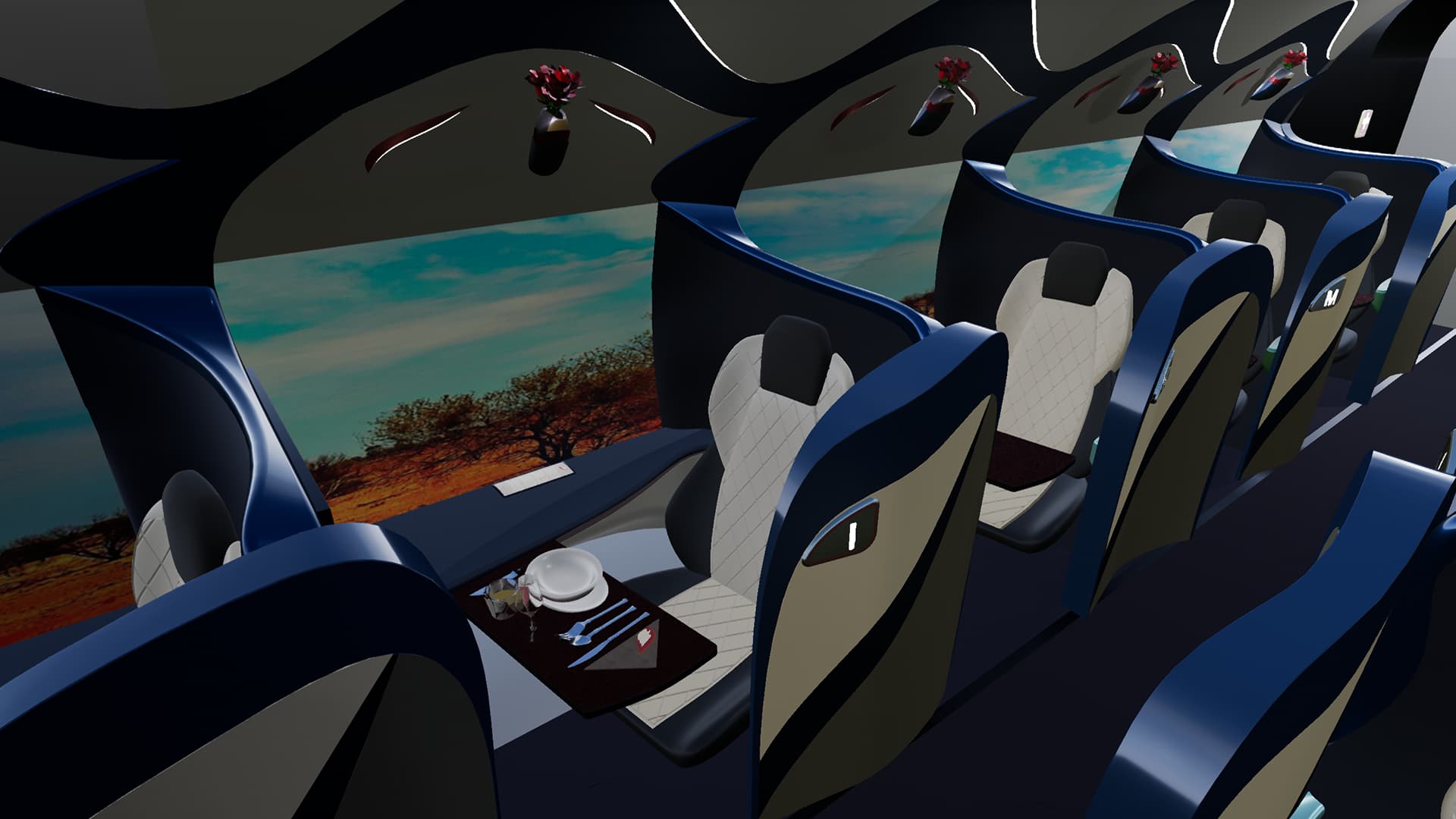
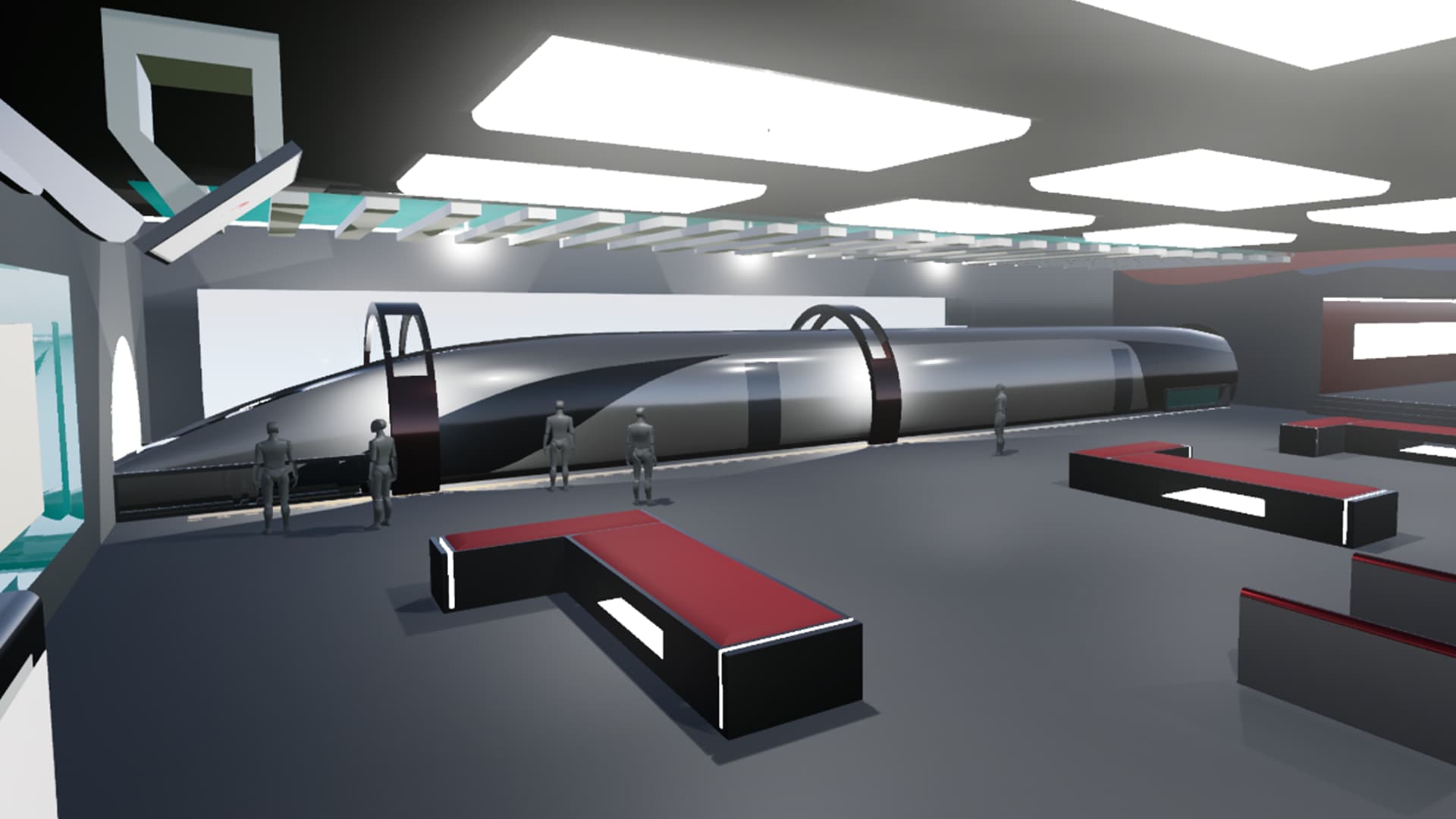
Inside the Hyperloop

Inside the Hyperloop

The final walkthrough experience of the Hyperloop in VR, showcasing what it would be like if it were ever built

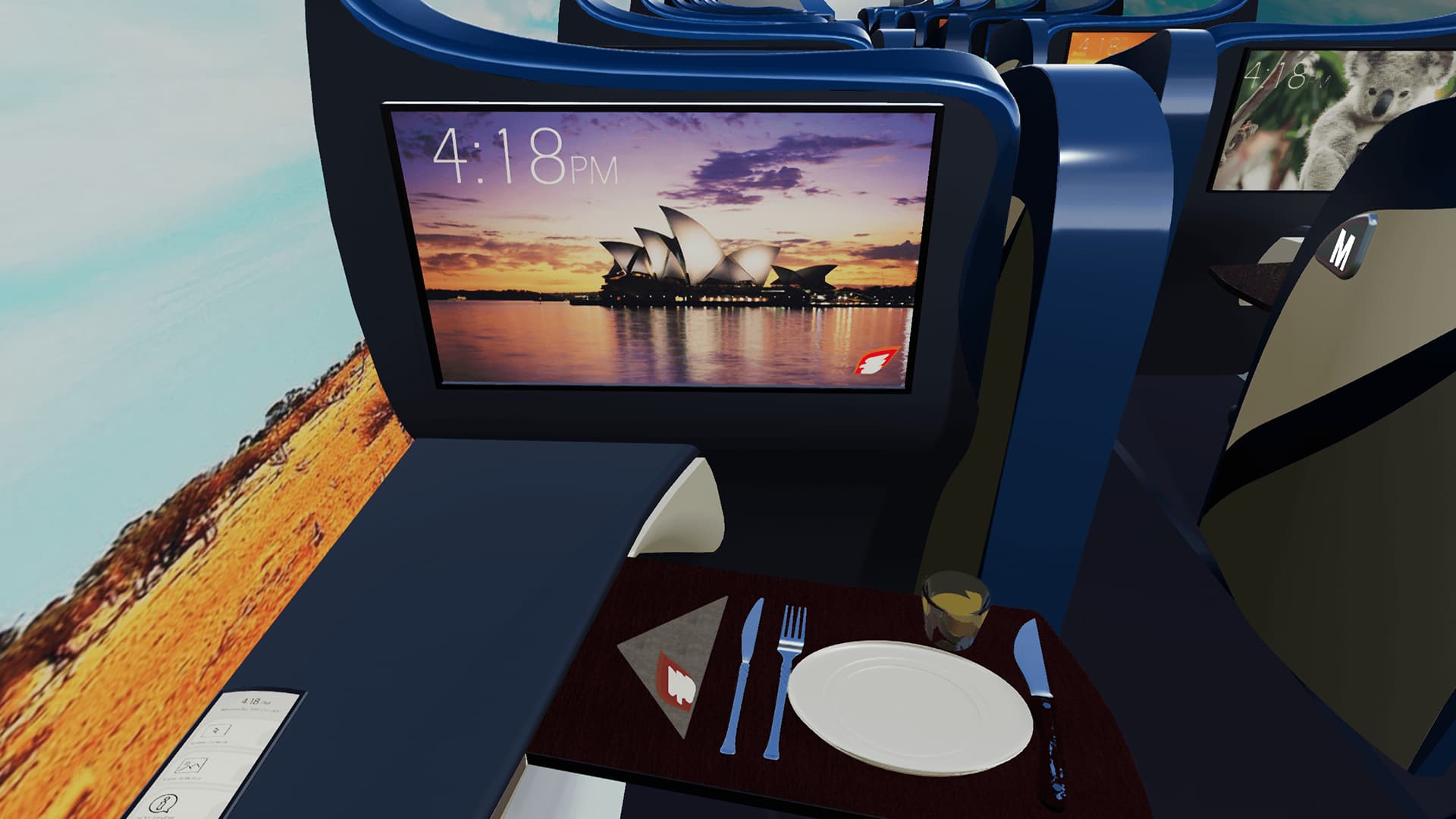
Single Hyperloop Cabin

Single Hyperloop Cabin

An example setup of one of the first class cabins, demonstrating a range of different modelling and texturing skills

The Hyperloop Platform

The Hyperloop Platform

Another portion of the VR experience where we had to create interactions for the Hyperloop to arrive and then automated door and light sequences

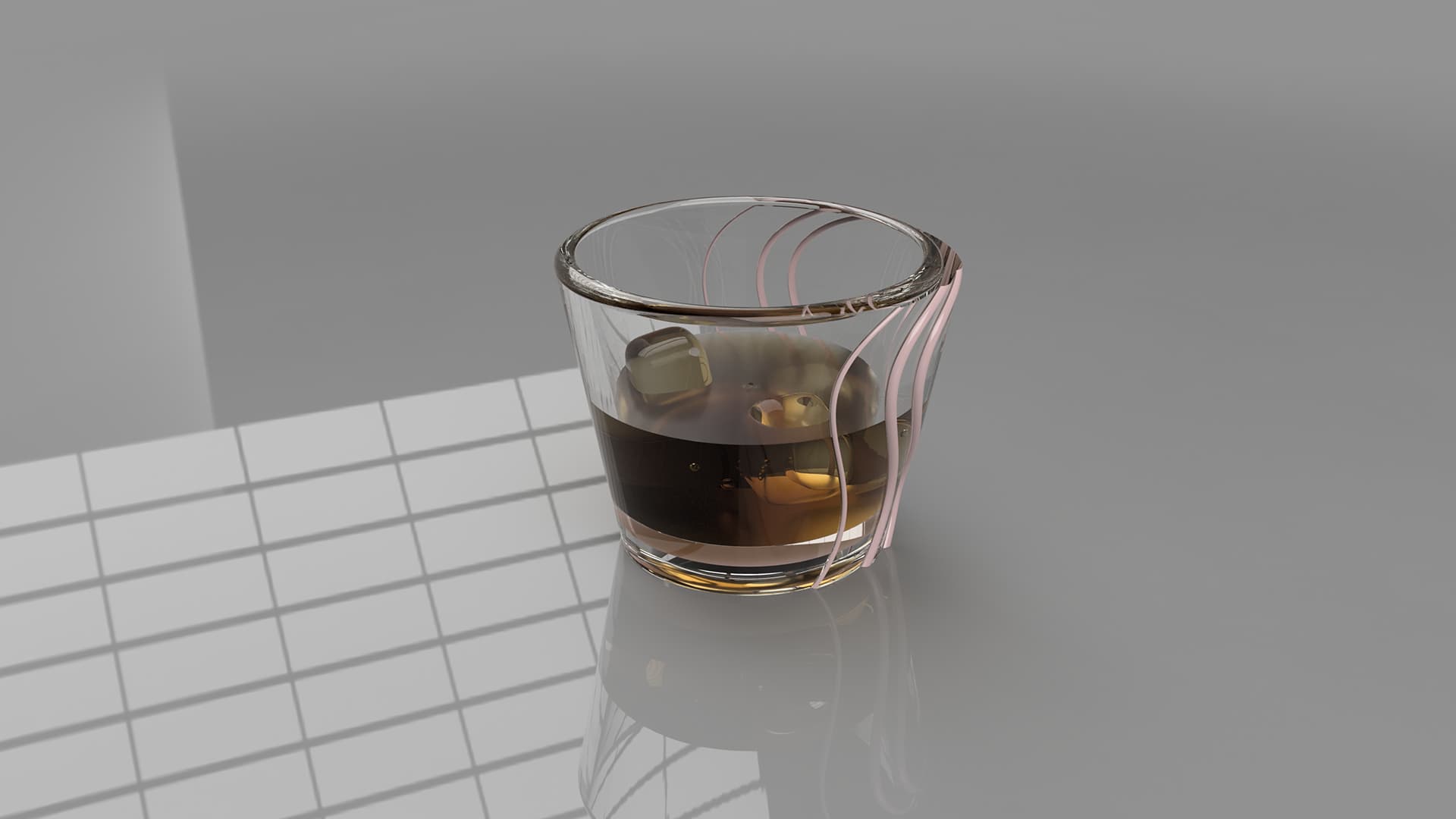
Rendering Liquids

Rendering Liquids

A final render of the liquids present in the VR setup to show off how other materials might interact with the space

Creating an entire VR Experience

In my 3rd year at RMIT I 3D Modelled an entire Hyperloop design, both interior and exterior that we would later import into Unreal Engine and add minor programming so it could be experienced in VR. The branding and design theory behind our Hyperloop played a critical role here in ensuring it fit the potential cost that might be associated with riding on it.
Creating an entire VR Experience

Core Skills

Teamwork

Working alongside 3 other team members to divide and execute on several large tasks

Game Development

Working inside Unreal Engine to develop a simple VR Game Experience to represent our prototype

3D Modelling

Creating a wide range of different assets with a heavy focus on material diversity utilising Autodesk Fusion 360

Ready to build?

Let’s prototype fast and ship with confidence.